Model
1972 Porsche 911 “Ölklappe”
1972 Porsche 911 “Ölklappe”
From swamp-recovery shell to restored bodyshell, this project involved extensive structural reconstruction, careful alignment and detailed body refinement throughout.
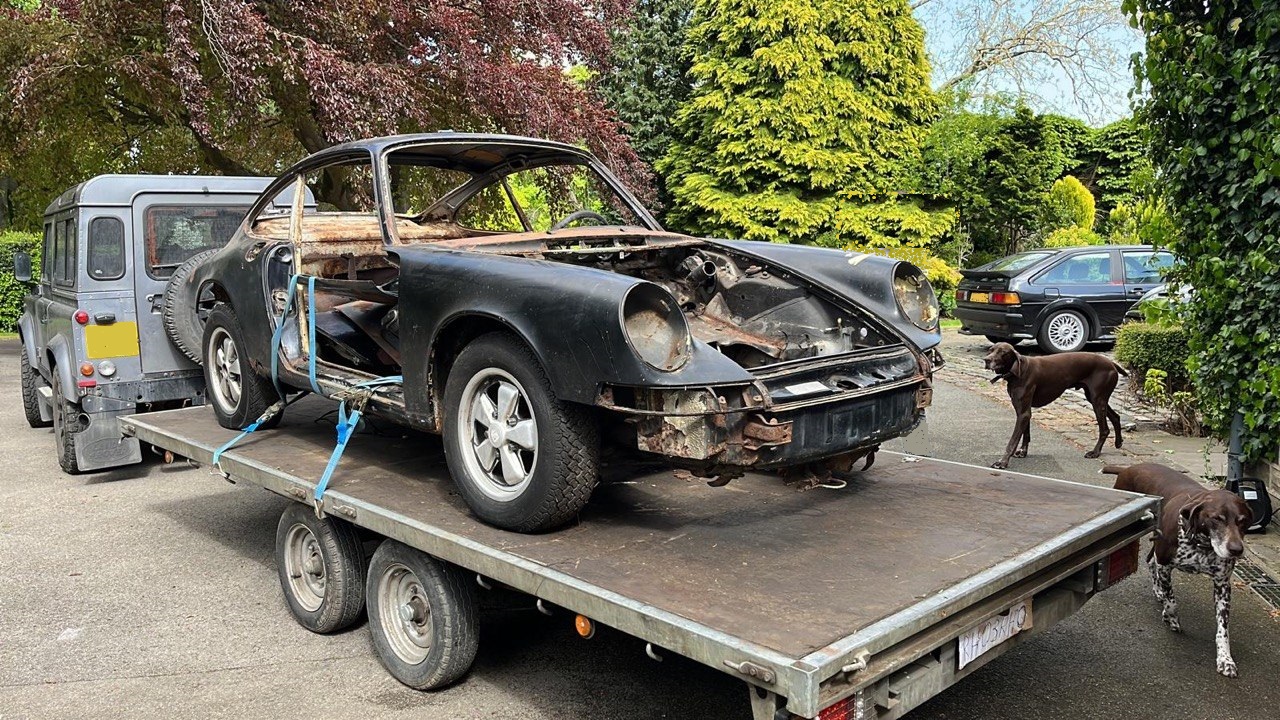
Recovered after many years abandoned in a swamp in Alabama, this 1972 Porsche 911 eventually found its way to the U.K. in need of a full restoration. Time, neglect and harsh conditions had taken a severe toll on the shell, but beneath the corrosion was a rare and historically significant early 911 well worth saving.
1972 Porsche 911 “Ölklappe”
Full structural bodyshell restoration, panel fit and paint preparation
Correctness, structural integrity, panel accuracy and long-term quality
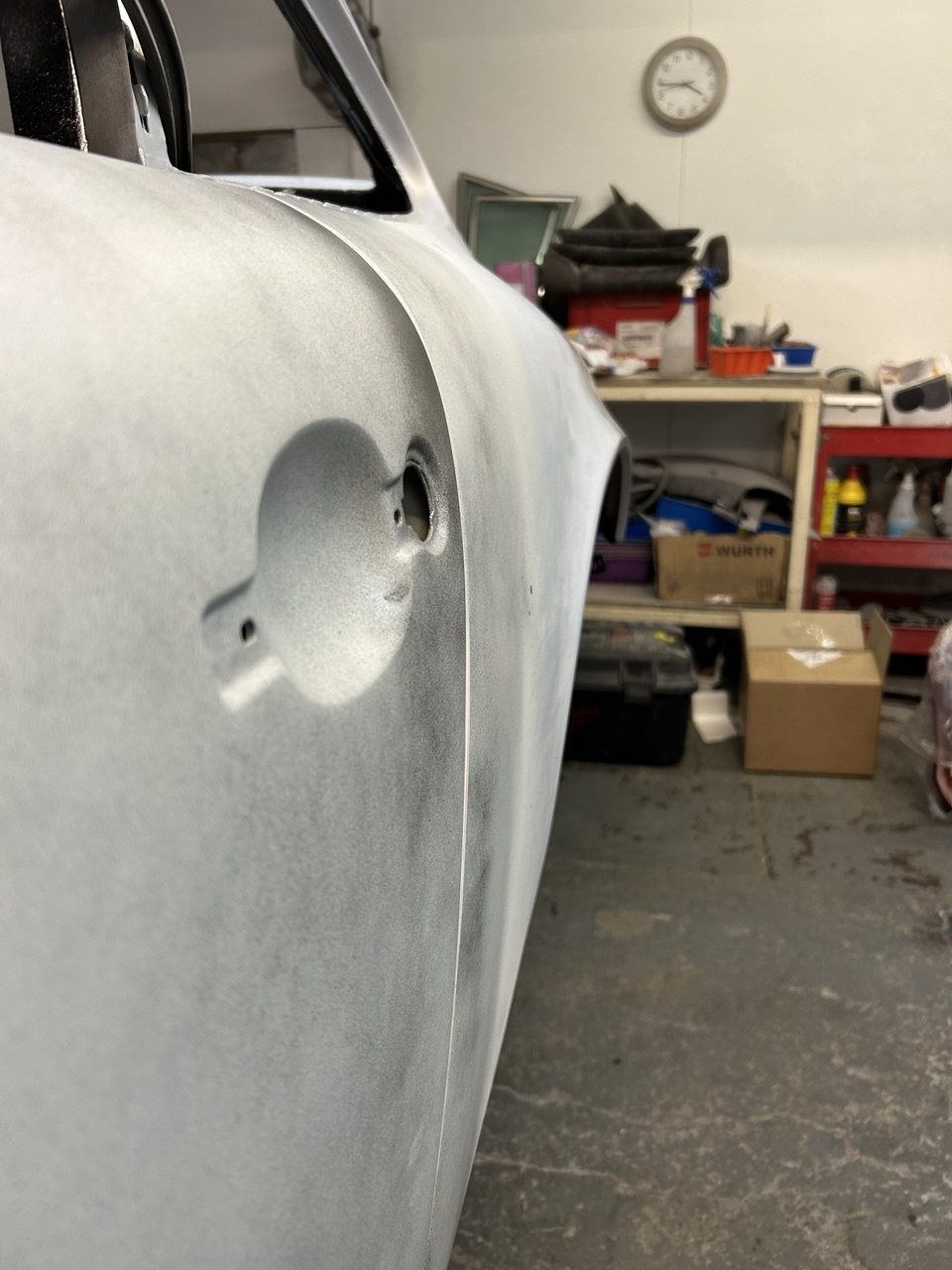
The 1972 Porsche 911 is unique because it was the only model year to feature an external oil filler flap on the right rear quarter panel — known as the “Ölklappe”.
Porsche introduced this design after moving the oil tank forward, ahead of the right rear wheel, to improve weight distribution and handling. Although innovative, the flap was often mistaken for the fuel filler, which led to costly mistakes. Because of this, Porsche discontinued the feature after just one year.
Today, the 1972 Ölklappe is one of the most distinctive and sought-after early 911 models.
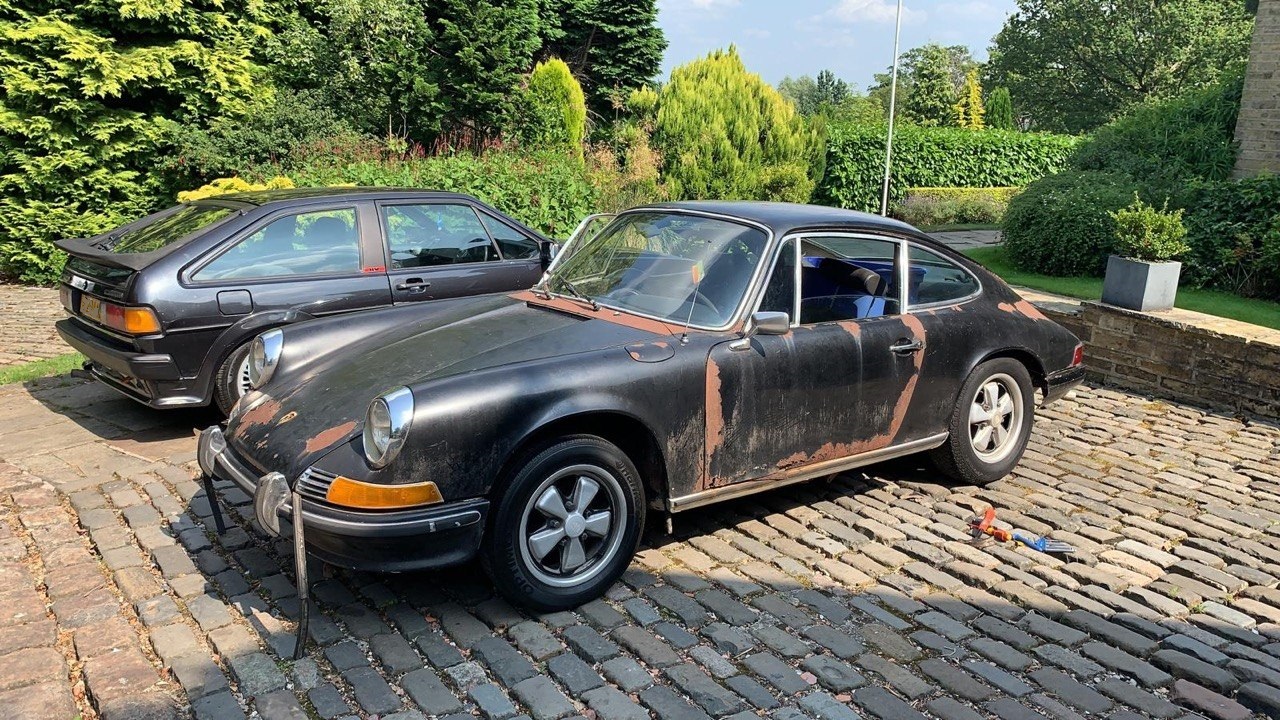
When the car arrived, its condition reflected years of neglect and exposure. The body showed extensive paint loss, visible corrosion and clear signs of deep structural deterioration.
Despite this, the originality and rarity of the shell made it an ideal candidate for a full restoration.
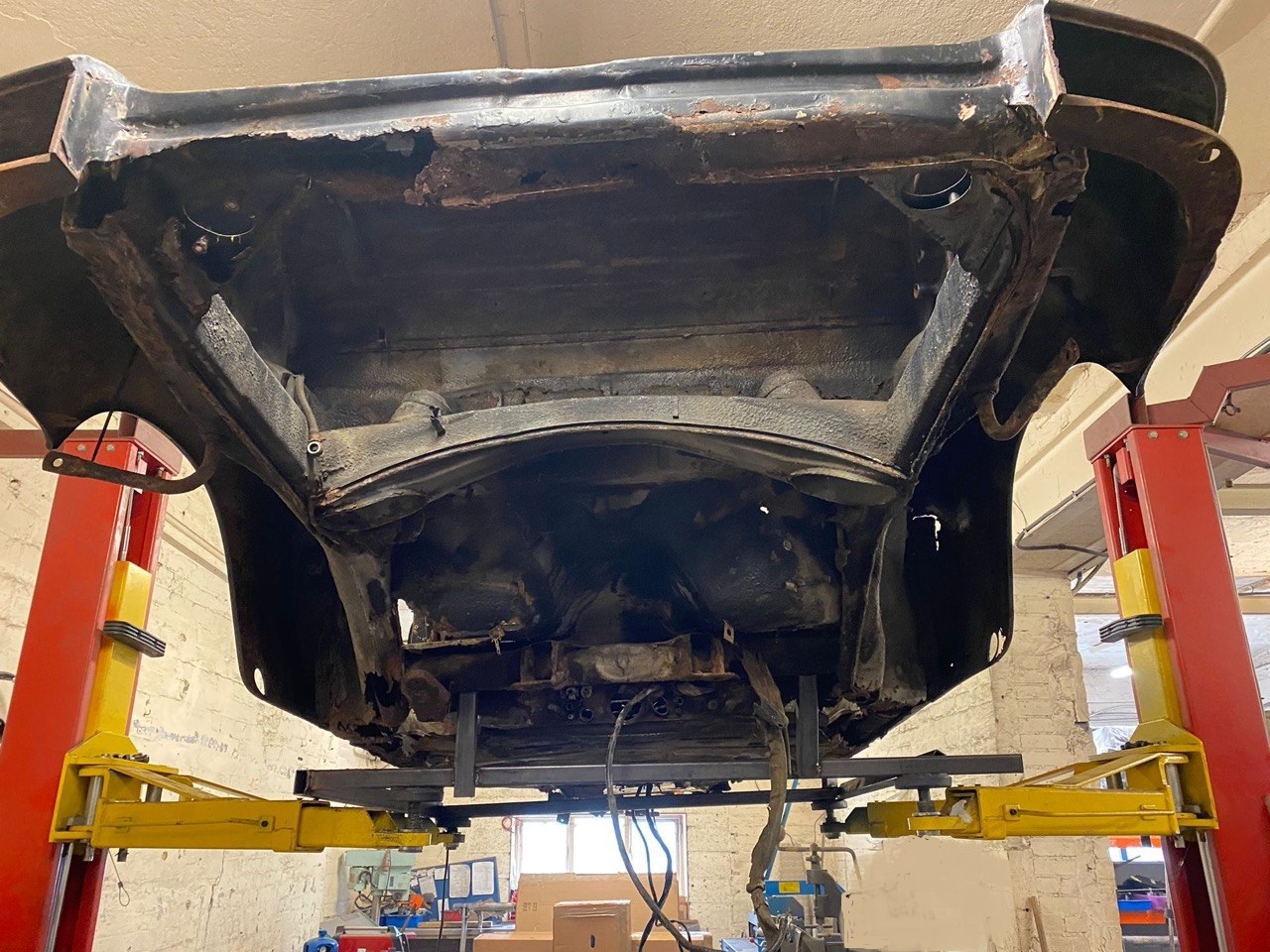
Once stripped and inspected underneath, the full extent of the corrosion became clear. Severe rust was found in the floor sections, bulkhead and rear chassis areas.
Before any damaged metal was removed, the bodyshell was braced with a welded support jig. This was essential to preserve the original chassis geometry and panel alignment during reconstruction.
With the shell securely braced, the corroded floor sections were cut out and the rebuild began. The centre tunnel was reconstructed, the lower bulkhead and pedal box area were repaired, and new floor panels were carefully fitted and welded into place.
This stage restored structural strength and re-established the correct foundation of the car.
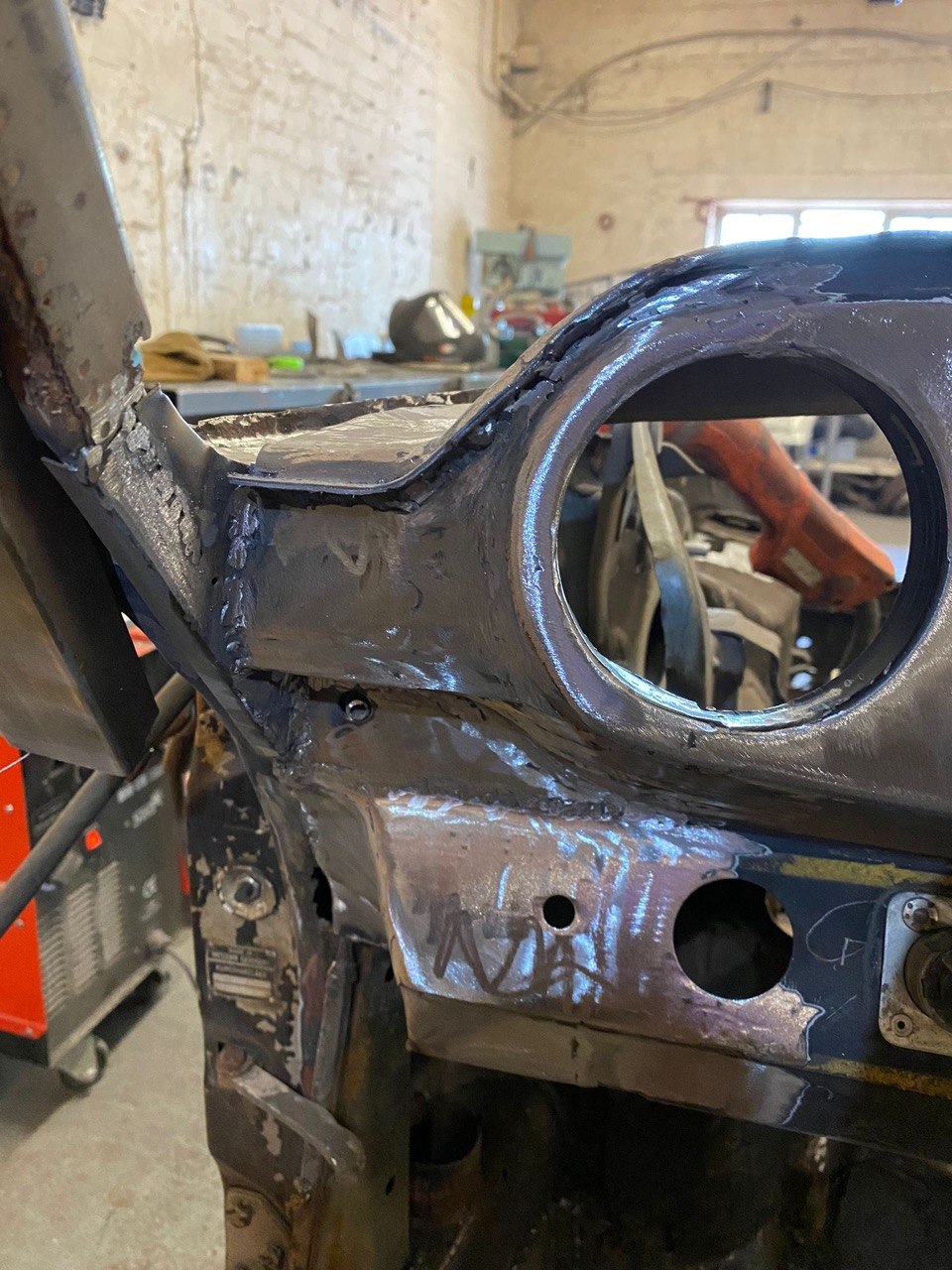
Large sections of the upper bulkhead and dashboard structure had been lost to corrosion. These were not areas that could simply be patched.
Using templates taken from another Porsche 911, replacement sections were hand-fabricated with specialist forming tools and carefully welded into place, restoring both strength and original shape.
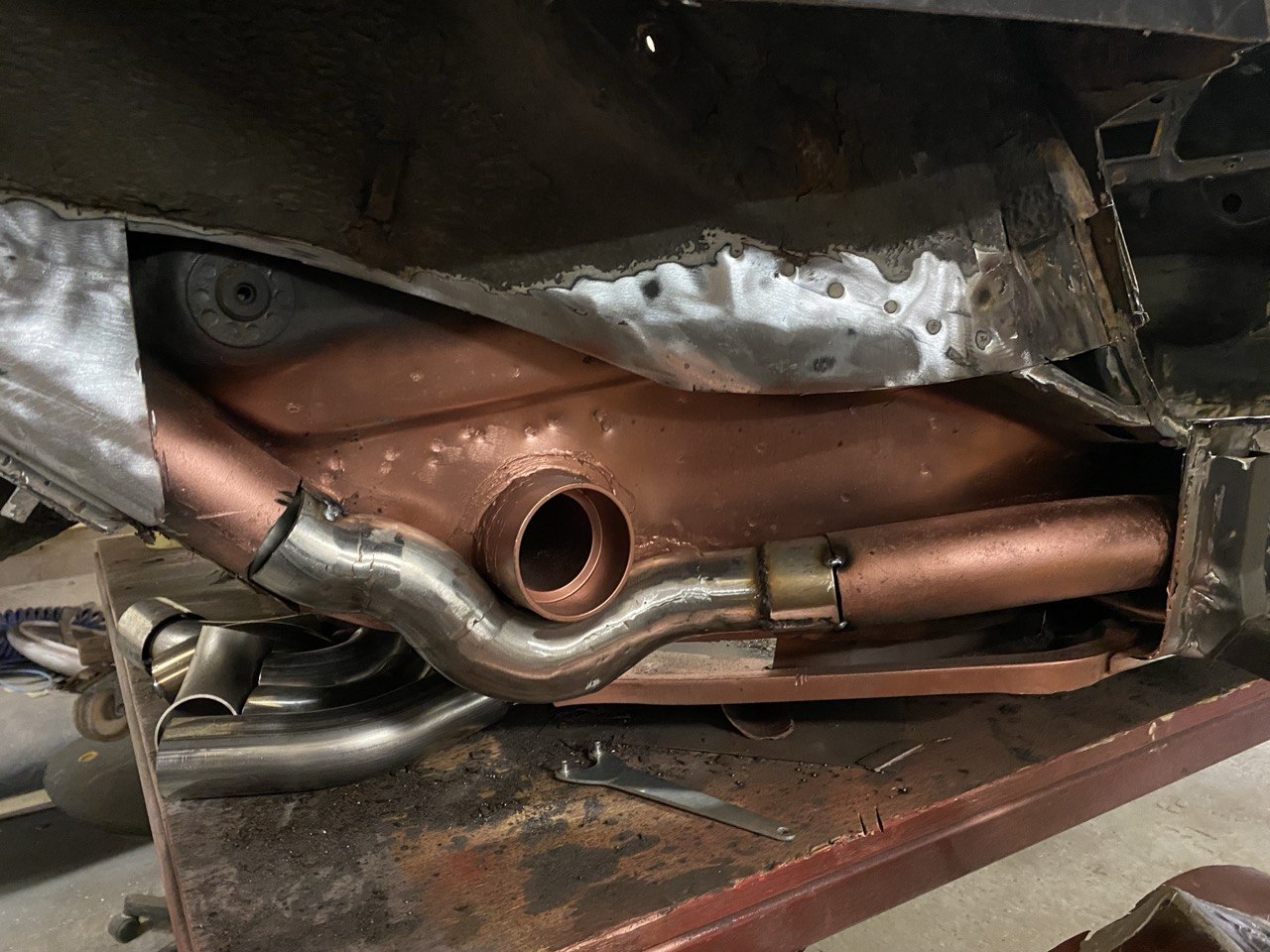
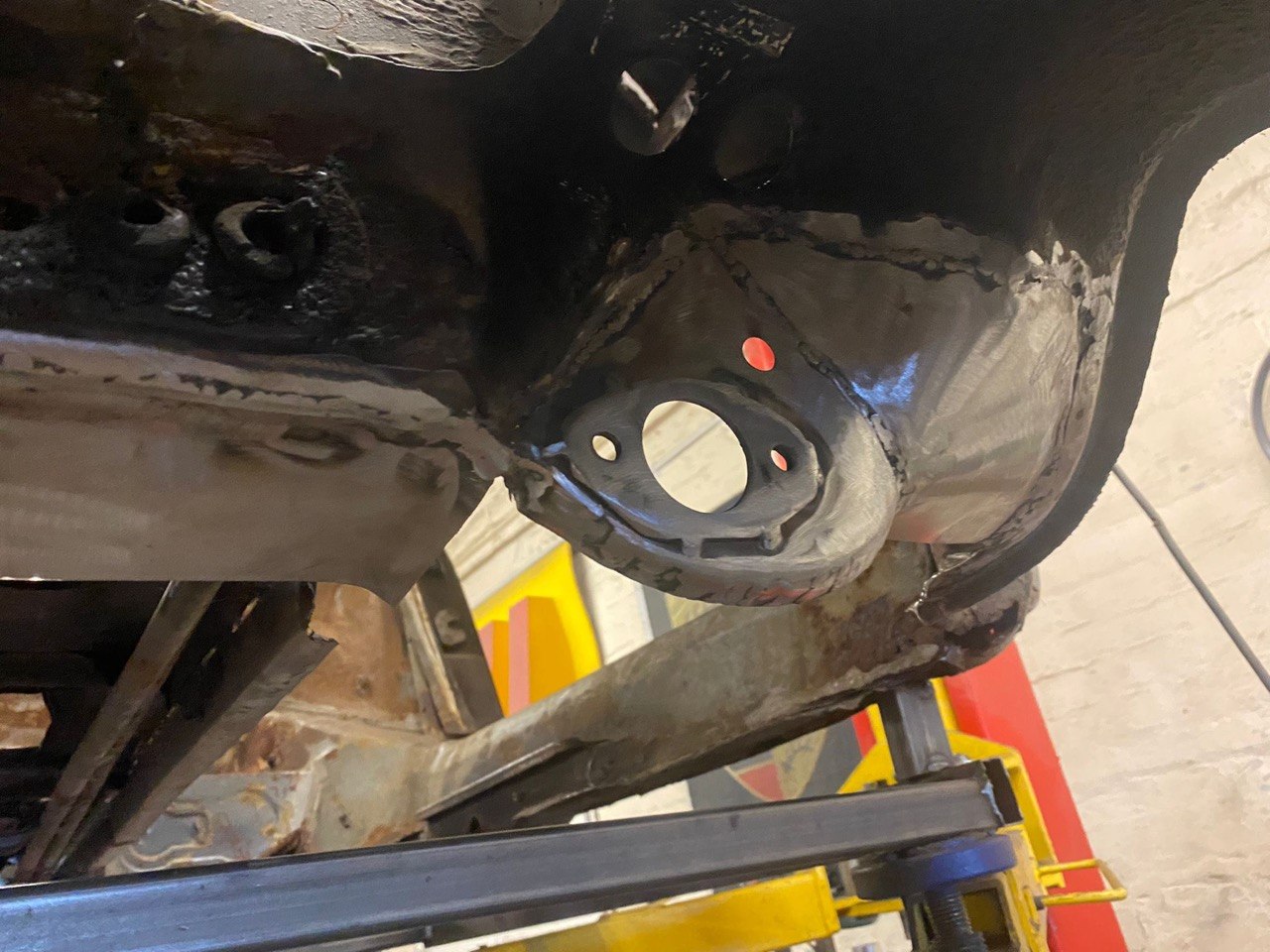
The rear chassis section required major reconstruction, including the torsion bar housing for the rear suspension and the internal heater tubes hidden within the rear chassis legs.
These complex areas were rebuilt in custom-fabricated metal, restoring both structural integrity and original function.
With the major structural repairs complete, the outer body panels could be carefully re-fitted. The doors, wings, bonnet and surrounding panels were aligned with great care before final welding.
At this stage, the car began to regain the unmistakable shape of an early Porsche 911.
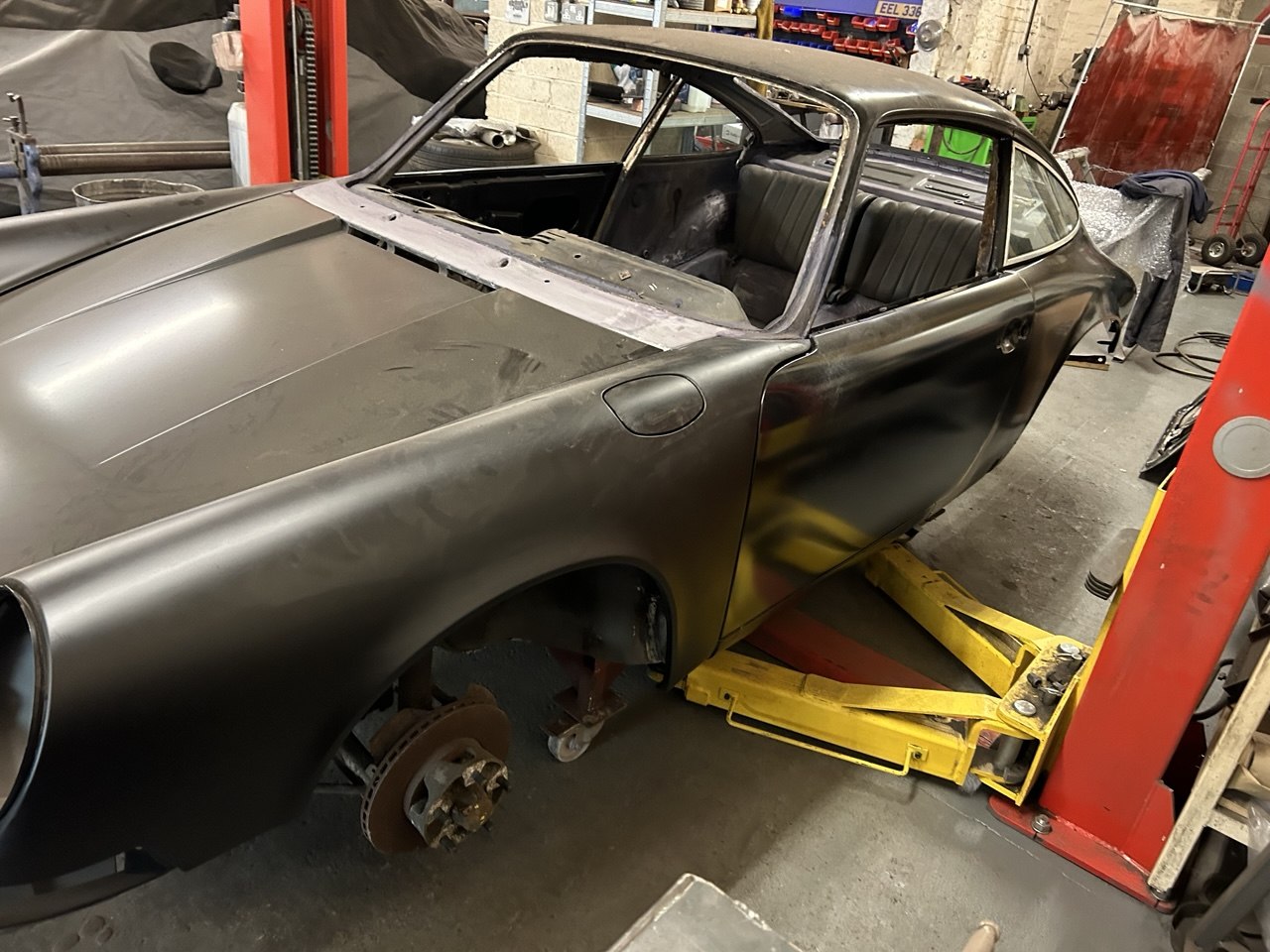
Once reassembled, the shell was coated in high-build primer so the body shape, contours, shut lines and panel gaps could be checked in detail.
This stage allowed the finer adjustments to be made before the car progressed into paint preparation.
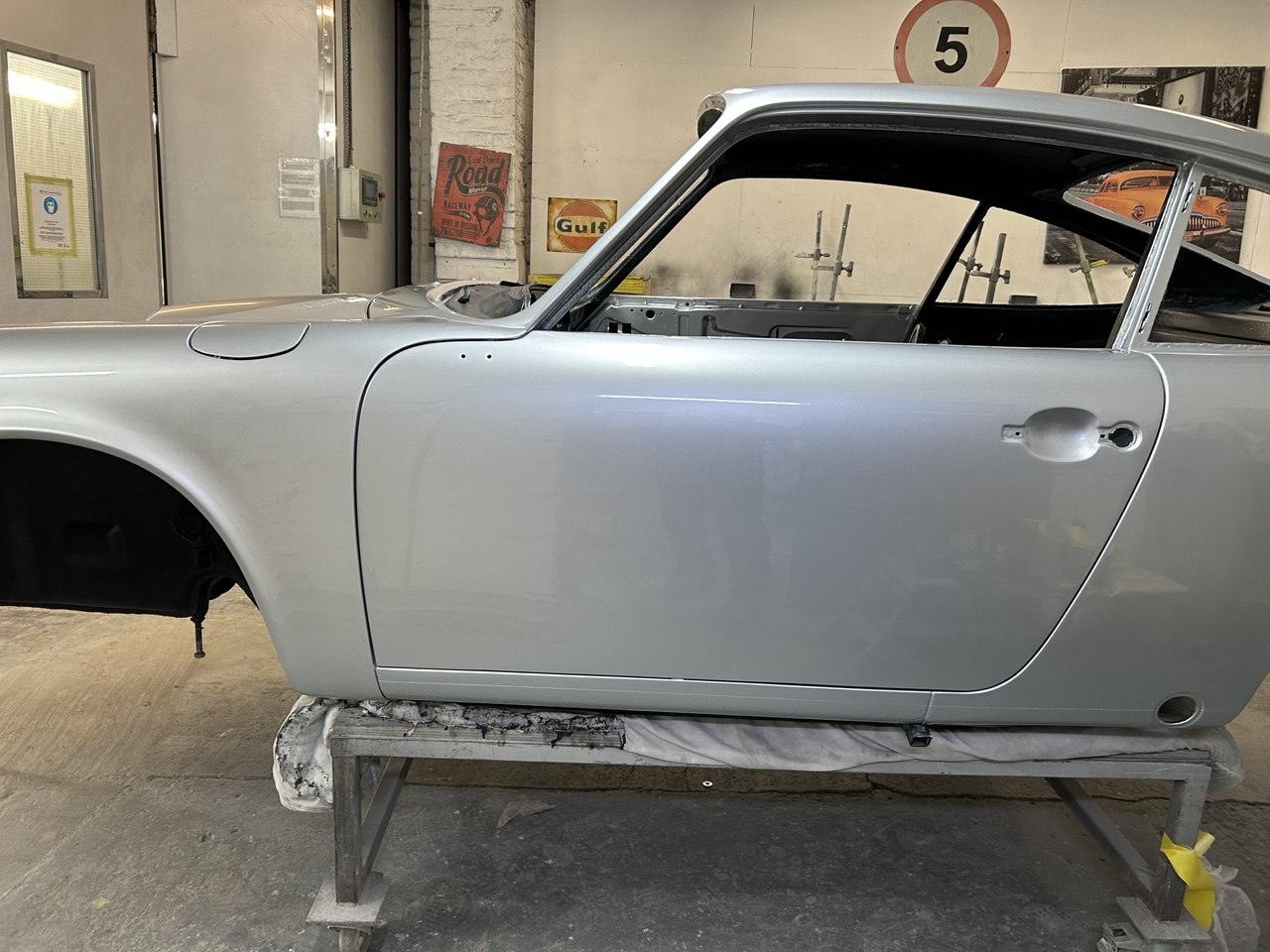
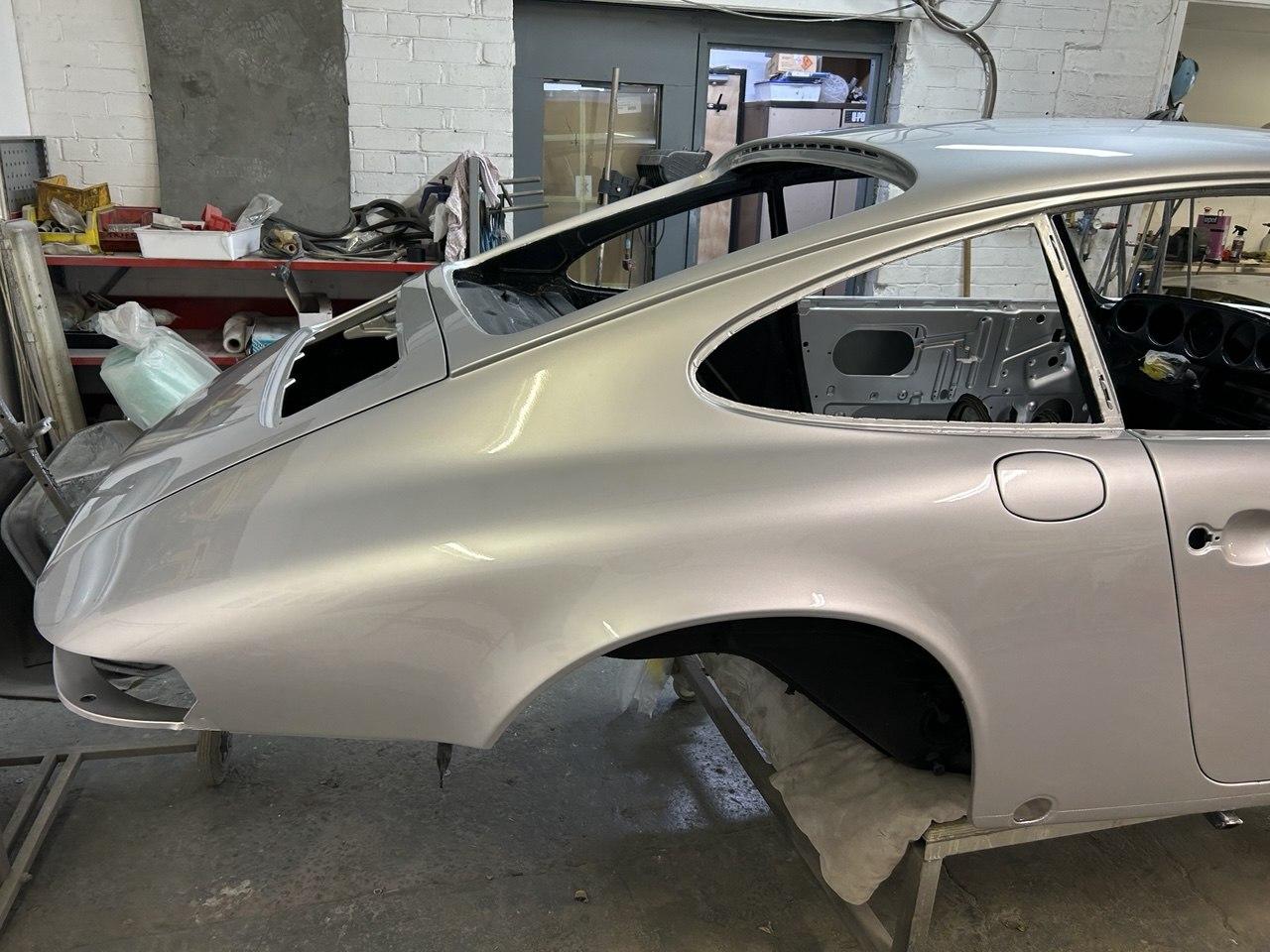
After all preparation work had been completed, the bodyshell moved into paint. In its finished colour, the accuracy of the panel fit, alignment and restored body lines can be fully appreciated.
This stage brings together all of the work carried out during the rebuild and marks the transformation from heavily corroded shell to restored early 911.
A small selection of images showing the restoration journey from reconstruction through to final paint.
From a heavily corroded swamp-recovery shell to a fully rebuilt and restored bodyshell, this 1972 Porsche 911 Ölklappe project shows the craftsmanship, patience and attention to detail required to save a rare and historically significant Porsche.
If you are planning a restoration and want experienced guidance, careful decision-making and a focus on doing things properly, Cherished Vehicle Services can help.